Best Tips for Choosing Showcase Lighting Driver for Your Needs?
Choosing the right Showcase Lighting Driver is crucial for any display. It's not just about brightness; it's also about creating the right ambiance. According to industry expert, Sarah Thompson, "The right driver can transform an ordinary showcase into a captivating experience." Her insight underscores the importance of understanding your specific lighting needs.
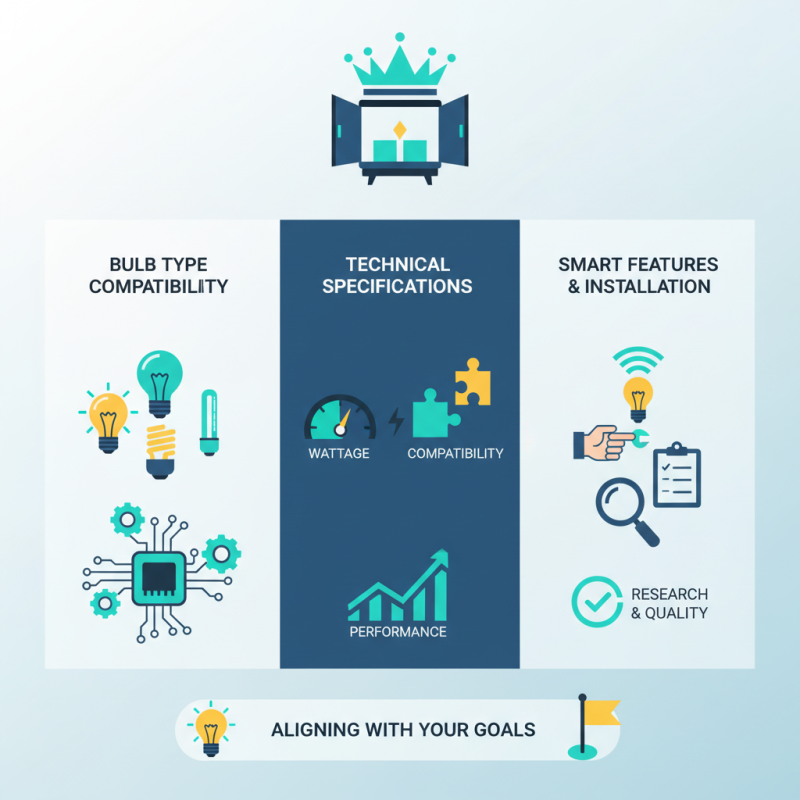
When selecting a Showcase Lighting Driver, consider the type of bulbs you use. LED, halogen, and fluorescent options require different drivers. Pay attention to wattage, voltage, and compatibility. A mismatch could lead to flickering or even damage. These practical details can significantly impact performance.
Moreover, think about installation and ease of use. A complicated setup might deter optimal usage. Many drivers now offer smart features that enhance convenience. However, always check for the quality and reliability of these products. Investing time in research is essential. Choosing a driver shouldn't be a rushed decision. Reflecting on all these factors is necessary to ensure your choice aligns with your goals.
Understanding the Role of Showcase Lighting Drivers in Exhibits
Showcase lighting drivers play a crucial role in illuminating exhibits. They are the backbone of effective display lighting. A good driver ensures that the lighting is consistent and flicker-free. This not only highlights the products effectively but also enhances the overall visual appeal. When choosing a driver, consider the type of lighting you need. Different displays might require different lighting effects.
Quality matters when selecting a lighting driver. Look for drivers that are reliable and compatible with your lighting fixtures. Not all drivers perform equally well. Some may underperform, causing uneven lighting across an exhibit. This inconsistency can detract from the visitor's experience. Additionally, pay attention to the wattage and voltage specifications to avoid issues.
Experimenting with different drivers can lead to unexpected, yet useful insights. It may reveal which options deliver the best results. Keep in mind, the right driver can elevate an ordinary exhibit. However, even the best drivers may present challenges. Analyzing performance and adjusting accordingly is essential for optimal results.
Types of Showcase Lighting Drivers: An Overview of Options Available
When selecting a showcase lighting driver, understanding the available options is crucial. Drivers come in various types, each with different functionalities and features. The most common types include electronic drivers, magnetic drivers, and constant current drivers. According to industry reports, approximately 75% of lighting installations benefit from LED drivers due to their energy efficiency and longer lifespan.
Electronic drivers are versatile and compatible with most LED systems. They generally feature dimming capabilities. Magnetic drivers, on the other hand, are less common but provide a reliable option for low-voltage lighting setups.
Constant current drivers ensure a consistent power supply, which is essential for some types of LED displays. A survey from the Lighting Research Center highlighted that 60% of professionals prefer constant current drivers for their reliability.
Tip: Always assess the voltage and wattage requirements of your lighting system before choosing a driver. Matching these specifications ensures optimal performance and longevity. If cost is a major factor, consider the total cost of ownership. Higher initial investments in quality drivers can lead to significant energy savings over time. Reflect on your specific needs and the environment in which the lighting will be used.
Key Features to Consider When Selecting a Lighting Driver
When choosing a showcase lighting driver, it's essential to focus on key features that impact performance. Power output is one of the most critical specifications. Ensure the driver provides sufficient wattage for your lighting setup. Overloading a driver can lead to failure. Conversely, a driver with too low a wattage may not deliver adequate brightness. Consider your specific needs here.
Another important feature is dimming capabilities. Lighting drivers with smooth dimming options offer flexibility. They allow you to create ambiance in various settings. Look for drivers that support various dimming protocols. This ensures compatibility with your existing systems. Pay attention to the load capacity as well. Some drivers may not support multiple fixtures without compromising performance.
Heat management should not be overlooked. A driver that runs too hot can impact its lifespan. Heat sinks and proper ventilation are vital. Failure to consider these can lead to premature burnout. Finally, check the warranty and customer support offered. Reliable support can save you headaches down the road. Taking these factors into account will aid you in making an informed decision.
Best Tips for Choosing Showcase Lighting Driver for Your Needs
| Feature | Description | Importance | Recommendation |
| Wattage | The power consumption of the driver; should match your lighting requirements. | High | Choose a driver with appropriate wattage for efficient performance. |
| Dimming Capability | Ability to adjust light levels for mood and ambiance. | Medium | Opt for a driver that supports your preferred dimming method. |
| Input Voltage | The voltage range the driver can operate on; must align with your power source. | High | Check the voltage specifications to avoid compatibility issues. |
| Thermal Management | How effectively the driver dissipates heat during operation. | High | Select a driver with good thermal management features for longevity. |
| Compatibility | Whether the driver works with your specific type of lighting fixture. | High | Determine compatibility before making a purchase. |
Evaluating Power Requirements for Your Lighting Setup
Choosing the right driver for your showcase lighting involves understanding the power requirements. Power needs can vary widely based on the type of lighting you use. LED lights, for instance, generally require less power than traditional incandescent bulbs. It's essential to know the wattage your fixtures demand. Calculate the total wattage of all lights in your setup.
One practical tip is to add a buffer to your calculations. For instance, if your total wattage is 50W, consider a driver rated for 60W or more. This ensures stable performance and reduces the risk of overheating. Drivers that operate at maximum capacity can fail faster.
Another point to contemplate is the type of driver. Constant voltage drivers are suitable for LED strips, while constant current drivers are ideal for LED bulbs. Understanding these nuances will lead you to a more reliable choice. Always review specifications and perhaps consult with experts. They can provide insights that online resources may lack. Choosing wisely now can save trouble down the line.
Best Practices for Installation and Maintenance of Lighting Drivers
When installing a lighting driver, attention to detail is crucial. Many professionals recommend checking compatibility with your lighting fixtures. Poor compatibility can lead to dimming issues or flickering. It’s essential to read the specifications carefully. A survey found that 56% of lighting failures can be attributed to incorrect driver installation.
Proper mounting is another key consideration. Drivers should be positioned to avoid overheating. Installing them too close to heat sources can cause failure. According to industry reports, up to 30% of lighting failures stem from inadequate thermal management. Moving drivers to cooler areas can extend their lifespan significantly.
Maintenance routines are often overlooked. Regular inspections should include checking for any signs of wear. Dust buildup can lead to overheating. The International Electrotechnical Commission highlights that routine cleaning can improve efficiency by up to 15%. Strive for a proactive approach, as neglecting maintenance can be costly in the long run.
Best Tips for Choosing Showcase Lighting Driver for Your Needs
This bar chart provides an overview of key factors to consider when selecting a lighting driver, as well as maintenance practices to ensure optimal performance.