What is a Silicone Tube and What are its Applications?
Silicone Tubes have become indispensable in various industries. They are known for their flexibility, durability, and resistance to extreme temperatures. According to Dr. Emily Carter, a leading expert in polymer science, "Silicone tubes are revolutionizing fluid management in healthcare." This highlights the significant impact of silicone tubes in medical applications.
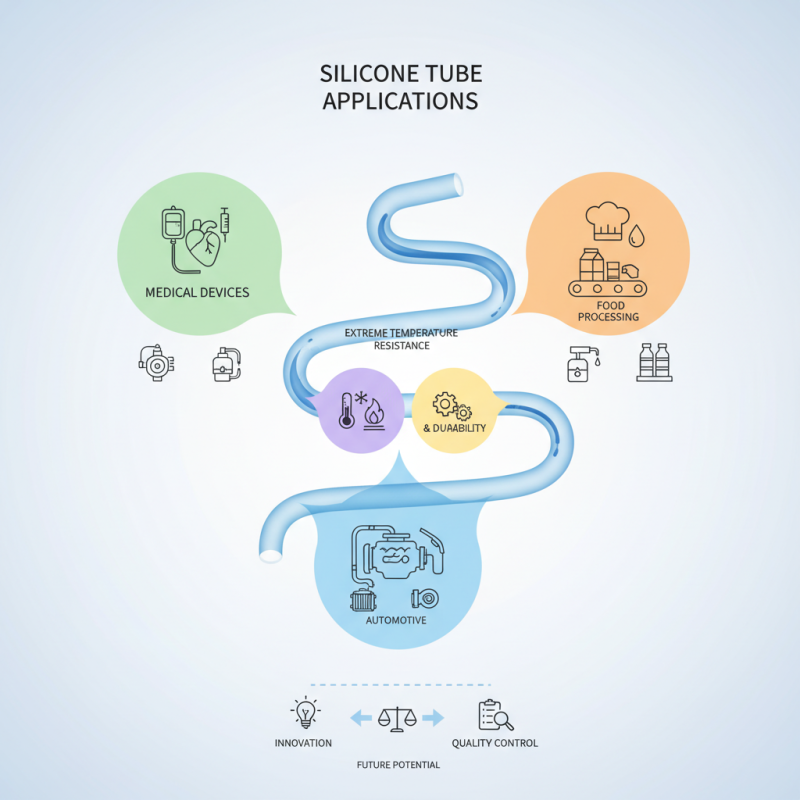
These tubes are widely used in medical devices, food processing, and automotive fields. They ensure safe transport of liquids and gases due to their non-reactive nature. However, despite their popularity, there remain challenges. Some manufacturers struggle with consistency in quality and performance. Regular testing is crucial to maintaining reliability in these applications.
The exploration of silicone tubes reveals their vast potential and the need for ongoing improvements. As industries evolve, so too must the materials they rely on. The balance between innovation and quality control will define the future of silicone tubes in the marketplace.
What is a Silicone Tube?
Silicone tubes are versatile and durable solutions made from silicone rubber, a synthetic material known for its flexibility and heat resistance. These tubes come in various sizes and thicknesses, making them suitable for a wide range of applications, from medical devices to automotive parts. They withstand extreme temperatures and harsh environments. This quality makes them a preferred choice in many industries.
In medical applications, silicone tubes serve important roles. They are used in catheters and drainage systems. Their inert nature ensures minimal reaction with body fluids, enhancing patient safety. In the food and beverage industry, silicone tubes are often utilized for transferring liquids. They are easy to clean and do not retain odors or flavors, which is crucial for maintaining quality.
Despite their advantages, silicone tubes have some limitations. They can be more expensive than other materials, impacting project budgets. Also, they may not hold up well under prolonged exposure to certain chemicals. Awareness of these limitations is essential for proper application. Thus, selecting the right material for specific needs is important.
What is a Silicone Tube and What are its Applications?
| Dimension | Specification | Application | Temperature Range |
| Inner Diameter: 5mm | Wall Thickness: 1mm | Food and Beverage Industry | -60°C to 200°C |
| Inner Diameter: 10mm | Wall Thickness: 2mm | Medical Applications | -50°C to 140°C |
| Inner Diameter: 15mm | Wall Thickness: 3mm | Industrial Equipment | -40°C to 200°C |
| Inner Diameter: 20mm | Wall Thickness: 4mm | Chemical Processing | -60°C to 220°C |
| Inner Diameter: 25mm | Wall Thickness: 5mm | Automotive Applications | -50°C to 180°C |
Composition and Properties of Silicone Tubes
Silicone tubes are increasingly recognized for their unique properties and wide-ranging applications. These tubes are made from silicone elastomers, which have excellent thermal stability and flexibility. According to a report by the Silicone Manufacturers Association, the global demand for silicone products is projected to surpass $25 billion by 2025. The ability of silicone tubes to withstand extreme temperatures, from -50 to 250 degrees Celsius, makes them invaluable in various industries.
One significant characteristic of silicone is its resistance to chemicals and UV light. This resistance makes silicone tubing suitable for use in medical applications, food processing, and automotive fields. A study published in the Journal of Applied Polymer Science highlights that silicone materials exhibit low toxicity levels, making them safe for medical use. However, despite these advantages, some silicone tubes can lack flexibility compared to rubber alternatives, leading to a need for careful application selection.
Another important aspect is the environmental impact of silicone manufacturing. While silicone can be recycled, the process is not as widely implemented as with other materials. Some industry experts argue that the sustainability of silicone tubes needs to be addressed to improve their lifecycle. Addressing these challenges is essential for the ongoing growth of silicone tubing in various sectors.
Common Applications of Silicone Tubes in Various Industries
Silicone tubes are versatile components used across various industries. Their flexibility and resistance to extreme temperatures make them ideal for numerous applications. In the medical sector, silicone tubes are crucial for transferring fluids. They are non-toxic and can withstand sterilization, ensuring safety in healthcare environments.
In the food and beverage industry, silicone tubes are often employed for transporting liquids. These tubes do not retain odors or flavors, which is essential when dealing with consumables. Their resistance to high temperatures allows them to be used in processes like pasteurization without risk of degradation.
Moreover, silicone tubes find applications in automotive and engineering fields. They are used in coolant systems due to their ability to handle fluctuating temperatures. However, not all silicone tubes are created equal. Some may not meet specific standards, leading to potential failures. It's vital to ensure that the chosen tubes fit the application requirements precisely.
Applications of Silicone Tubes in Various Industries
Advantages of Using Silicone Tubes Over Other Materials
Silicone tubes offer several advantages compared to traditional materials. One significant benefit is their resistance to extreme temperatures, ranging from -100°F to 500°F. This makes silicone ideal for applications in aerospace and medical environments. According to a recent industry report by MarketsandMarkets, the silicone rubber market is projected to grow to $10.74 billion by 2026. This growth reflects an increasing demand for versatile and durable materials.
Another key advantage is the material's flexibility and durability. Silicone tubes are less prone to cracking and can withstand pressure without compromising their structural integrity. In many instances, they outperform materials like PVC or rubber, which can become brittle over time. The World Health Organization highlights silicone’s non-toxic properties, making it suitable for food and medical applications.
However, it's essential to note that silicone may not be the best choice for every application. The cost can be higher than other materials, which may limit its use in budget-sensitive projects. Additionally, the production process for silicone can be environmentally taxing, raising questions about sustainability. Balancing these factors is crucial for making informed decisions about using silicone tubes.
Maintenance and Care for Silicone Tubes
Silicone tubes are widely praised for their durability and flexibility. However, proper maintenance is crucial to maximize their lifespan. Regular cleaning is essential. Use warm soapy water to wash the interior and exterior. Rinse thoroughly to remove all soap residue. This simple task can prevent the buildup of contaminants.
Avoid exposing silicone tubes to harsh chemicals. Strong solvents can degrade the material over time. Store tubes in a cool, dry place away from direct sunlight. Sunlight can cause the silicone to harden and lose its elasticity. Inspect the tubes regularly for signs of wear, such as cracks or discoloration.
Despite their resilience, silicone tubes can still face challenges. Over time, they may lose flexibility or become misaligned. Maintaining a schedule for periodic checks can catch issues early. It's easy to forget about these tasks. However, attention to detail ensures that silicone tubes continue to function effectively for years.