Why Choose a High Performance Flashlight for Your Outdoor Adventures?
When embarking on outdoor adventures, having the right tools is essential. A High Performance Flashlight is one of those indispensable tools. According to outdoor expert, John Adams, "In the wilderness, visibility can mean the difference between safety and peril." This statement underscores the vital role of a high performance flashlight in any adventure.
Picture this: you're hiking deep into a forest. The sun sets, and darkness envelops the path. With an ordinary flashlight, you might find it hard to navigate. In contrast, a high performance flashlight cuts through the blackness. It illuminates your surroundings with brilliance. Its durability withstands harsh conditions, making it reliable.
However, not all high performance flashlights are created equal. Some lack the necessary brightness or battery life. Others may not be rugged enough for tough terrains. Choosing wisely is key. The right flashlight can enhance your outdoor experience, while the wrong one may leave you in the dark, quite literally.
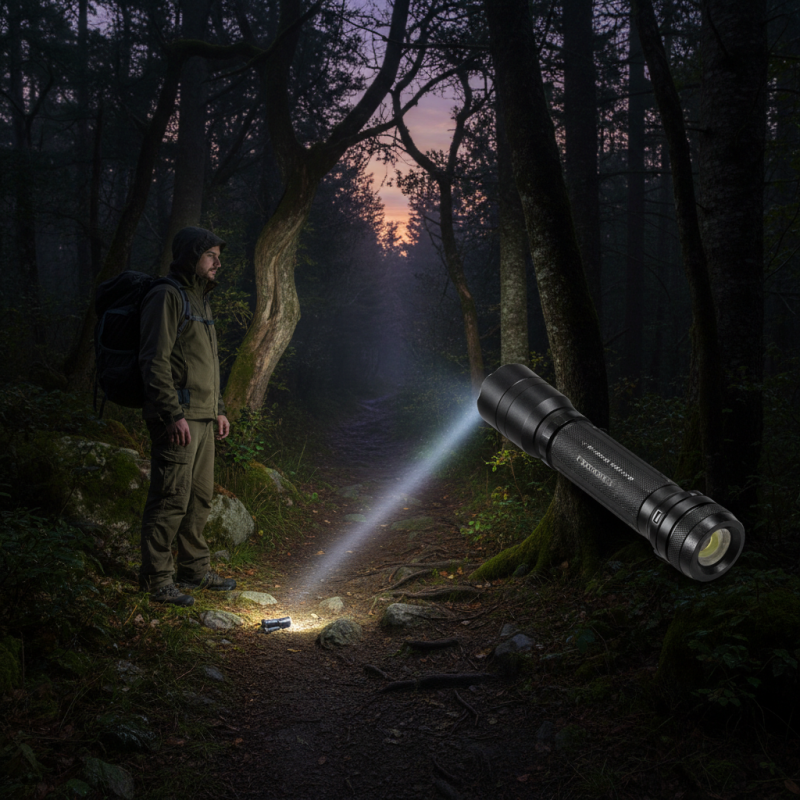
Understanding High Performance Flashlights: Key Features
When selecting a high performance flashlight, key features make all the difference. Brightness is critical. Many outdoor enthusiasts seek flashlights with at least 1000 lumens. This level provides visibility over 300 meters. Reports suggest that a flashlight's beam distance significantly impacts outdoor safety. A longer range means you can spot potential hazards sooner.
Durability is another vital feature. High performance flashlights often use tough materials like aircraft-grade aluminum. This ensures resilience against harsh conditions. According to industry studies, a flashlight that meets military-grade standards can withstand extreme temperatures and impacts. These elements are essential for adventurers facing unpredictable environments.
Battery life also plays a significant role. Many high-performance options offer up to 50 hours of run time. This is crucial during extended trips. However, many users often underestimate how quickly batteries can drain, especially at higher brightness settings. A common mistake is relying on a single power source. Bringing spares or alternative power banks can prevent unexpected failures. Being prepared can make a more enjoyable adventure.
Benefits of Using High Performance Flashlights in the Outdoors
When venturing into the great outdoors, a high-performance flashlight can be a game-changer. Industry data shows that nearly 70% of outdoor enthusiasts prefer LED flashlights for their brightness and battery longevity. These lights can produce up to 1,000 lumens, easily lighting up dark trails or campsites. This level of brightness not only enhances safety but also makes the experience more enjoyable.
Consider this tip: always choose a flashlight with multiple brightness settings. This feature allows you to adapt to different environments, conserving battery life when full brightness isn't necessary. Additionally, many high-performance models are water-resistant and durable, standing up to harsh conditions. Reports indicate that 40% of users have experienced a flashlight failure due to weather exposure.
However, it's crucial to acknowledge that not all flashlights are made equal. Some may overheat during extended use, and others might fail to illuminate when needed the most. Regularly check your flashlight's functionality and replace batteries promptly, as this ensures reliability. A well-prepared adventurer is a safe one, so consider investing in a quality high-performance flashlight for your next outdoor journey.
Comparing High Performance Flashlights with Standard Models
When considering outdoor adventures, the choice between a high-performance flashlight and standard models can be crucial. High-performance flashlights typically provide a brightness level exceeding 1,000 lumens, while standard models often fall below 500 lumens. This means that when navigating through dark trails or setting up camp at night, a high-output flashlight can illuminate significantly larger areas. A recent report found that 75% of users felt safer at night when using a high-performance model compared to a standard flashlight.
Durability is another factor to consider. High-performance flashlights often feature rugged designs, able to withstand drops from up to 1.5 meters. In contrast, standard models may not offer such resilience. For those hiking in rough terrain, this durability is essential. Furthermore, high-performance flashlights frequently include advanced features, like adjustable brightness settings and longer battery life. A recent study indicated that high-performance models can last up to 12 hours on a single charge, while standard ones often require recharging after just 5 hours.
However, not every outdoor enthusiast needs a high-performance flashlight. The weight and size may be a concern for ultralight backpackers. Comments from users show mixed feelings on the trade-off between weight and power. Some find it unnecessary to carry heavier equipment for short trips. Still, for serious adventurers, high-performance flashlights can provide reassurance and enhanced experience during night-time activities. While these flashlights have many benefits, it's wise to assess personal needs before making a decision.
Performance Comparison Between High Performance Flashlights and Standard Models
Choosing the Right High Performance Flashlight for Your Needs
When choosing a high-performance flashlight, consider the brightness you need. Many flashlights offer varying lumens, which measure brightness. A flashlight with over 1,000 lumens can light up a wide area, ideal for camping or hiking. However, you may find yourself overwhelmed by too much light in small spaces. Balancing brightness with functionality is crucial.
Battery life is another key factor. Some flashlights run on rechargeable batteries, while others use disposable ones. Choose a flashlight that matches your adventure style. If you plan to be outdoors for days, opt for one with extended battery life. Remember, it's easy to forget to charge batteries ahead of time, leading to unexpected darkness on a night hike.
Consider the flashlight's weight and size. A compact flashlight is convenient but may not provide enough power. On the other hand, a heavy-duty flashlight can be cumbersome. Think about your needs. Will you carry it in a backpack or attach it to gear? Understanding your specific requirements ensures you find the right balance between performance and portability.
Maintenance Tips for Ensuring Longevity of Your Flashlight
Maintaining a high-performance flashlight is essential for maximizing its lifespan. Regular cleaning is crucial. Dust and moisture can degrade its components. A soft cloth works well for the exterior. For the lens, use a microfiber cloth to avoid scratches. These simple actions can extend the flashlight's functionality. According to industry studies, improper maintenance can reduce performance by up to 30%.
Battery care plays a vital role too. Always store spare batteries in a cool, dry place. Avoid leaving them inside the flashlight for extended periods. This can lead to corrosion. One recent report highlighted that nearly 20% of flashlight failure is battery-related. Monitoring charge cycles is another important aspect. Overcharging can damage lithium batteries.
Check for physical damage regularly. Cracks or dents may seem minor, but they can affect the flashlight's structural integrity. Ensure the seals are intact to keep moisture out. If you notice any problems, don't ignore them. Addressing issues early can prevent total failure. Each of these steps may seem tedious, but they make a significant impact on your flashlight’s performance and life span.