Top Tips for Choosing the Best Led Panels for Your Space?
When it comes to outfitting your space, the choice of LED panels can greatly impact both ambiance and functionality. These lighting solutions are versatile and energy-efficient. However, selecting the right LED panels is not always straightforward. There are many factors to consider, from brightness levels to color temperature. Mistakes in this aspect can lead to an unsatisfactory environment.
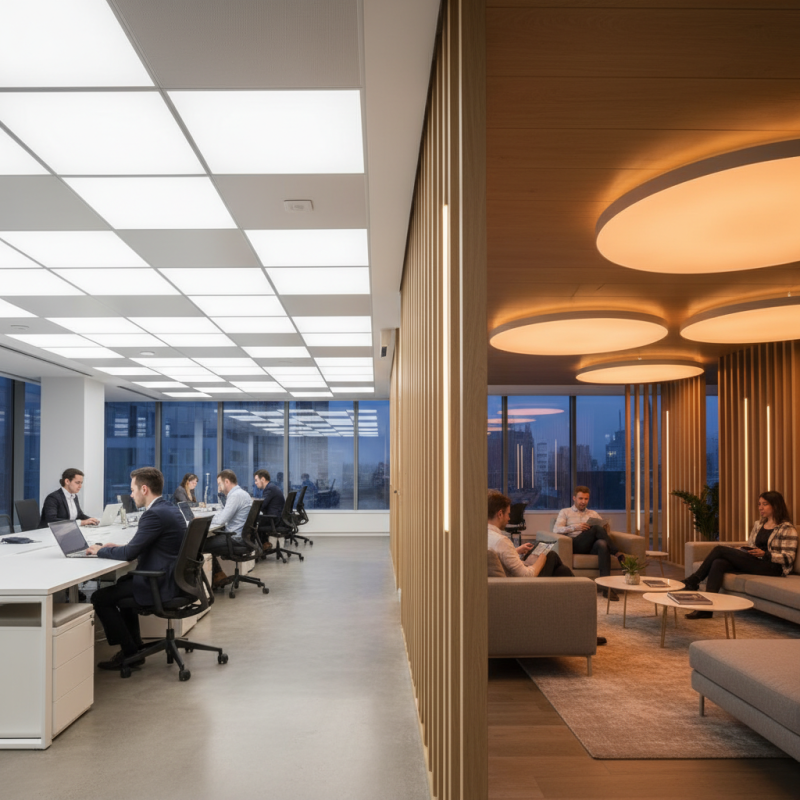
Think about the purpose of the room. Different areas require different types of illumination. For example, offices often benefit from bright, cool lighting to enhance focus. On the other hand, lounges may need warmer tones for comfort. It’s important to visualize how the light will affect your space. Additionally, consider the size and style of the panels. Improper sizes can disrupt the visual flow of the room.
Reflecting on your choices is vital. Are you prioritizing aesthetics over functionality? Or vice versa? Finding balance is key. The right LED panels can transform the mood of any space, but poor selections can create stark, unwelcoming environments.
Key Factors Influencing LED Panel Efficiency and Performance
Choosing the right LED panels can significantly enhance efficiency and performance in any space. Key factors influencing their performance include brightness, color temperature, and energy consumption. The Illuminating Engineering Society (IES) notes that higher lumen output often correlates with better visibility and productivity. For instance, a workspace requiring 500-1000 lumens per square meter needs panels designed for that parameter.
Color temperature is another consideration. The Correlated Color Temperature (CCT) can affect mood and focus. A report by the American Society of Heating, Refrigerating and Air-Conditioning Engineers (ASHRAE) suggests that a CCT of around 4000K fosters alertness and concentration, suitable for offices or study areas.
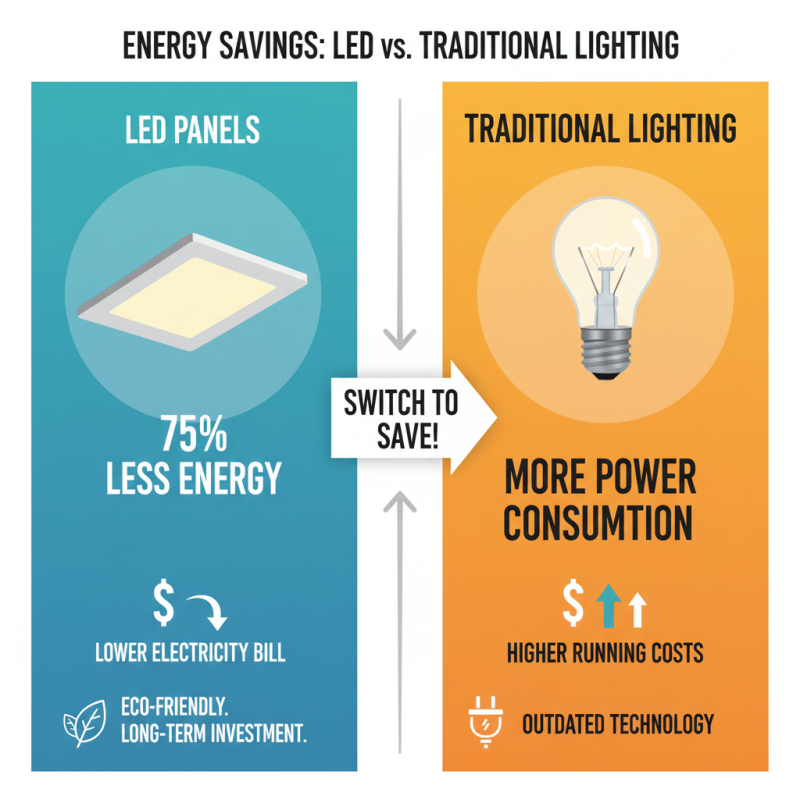
Furthermore, energy consumption impacts long-term sustainability. According to the U.S. Department of Energy (DOE), LED panels consume about 75% less energy than traditional lighting systems. However, not all LED panels are created equal. Some may offer poor luminous efficacy, leading to higher operating costs and reduced lifespan. Evaluating these crucial factors can help in making an informed choice, ensuring that the selected LED panels meet both aesthetic and functional needs.
Understanding the Different Types of LED Panels Available in the Market
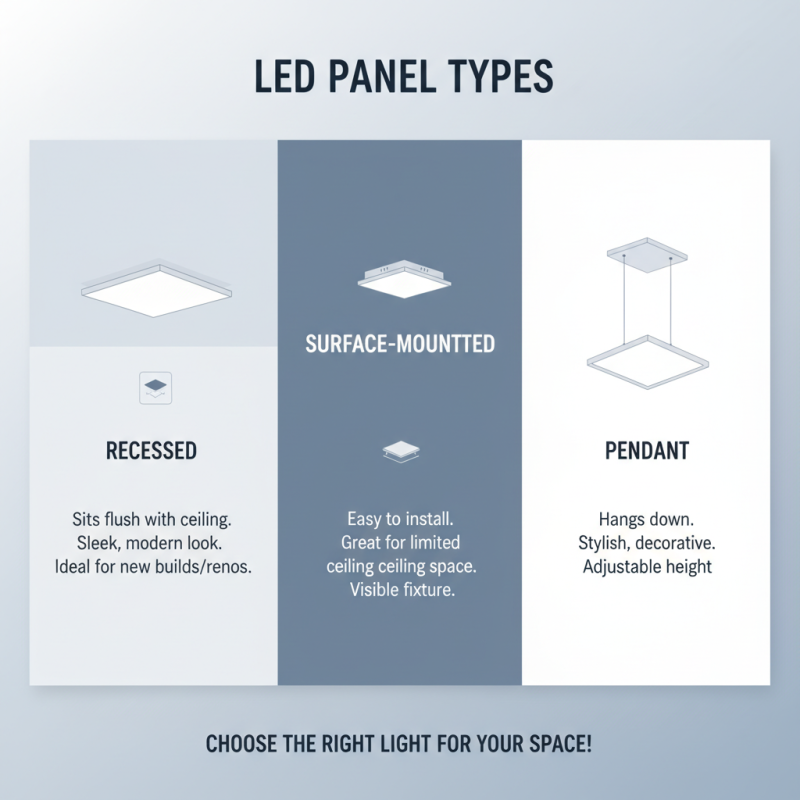
When selecting LED panels, understanding the types available is crucial. You can find recessed, surface-mounted, and pendant options. Recessed panels sit flush with ceilings. They create a sleek look that works in modern spaces. Surface-mounted panels are easy to install. They are ideal for rooms with limited ceiling space. Pendant panels hang down, adding a stylish touch.
Consider the brightness and color temperature. Brightness is measured in lumens. Choose a higher lumen count for larger spaces. Color temperature affects mood. Warm whites create a cozy feel, while cool whites are more energetic. The choice depends on your space’s purpose. For example, offices may benefit from cooler tones.
Another tip is to look at energy efficiency ratings. Dimmable panels offer flexibility in lighting. They can adapt to your needs throughout the day. Keep in mind your existing fixtures. Sometimes, adapting old systems can save money. Remember to pick panels that fit your style. Look for different shapes and finishes. This step can enhance your overall decor. Choosing the right LED panel requires thought and reflection. Make sure to assess how each option impacts your space.
Evaluating Brightness: Lumens and Their Impact on Space Illumination
When selecting LED panels for your space, brightness is a crucial factor. Lumens measure the total visible light emitted by a source. Higher lumens mean a brighter panel. However, too much brightness can create discomfort. It’s essential to strike a balance between light levels and comfort.
Consider the purpose of your space. A workspace might need more lumens for tasks like reading or detailed work. In contrast, a cozy living room may benefit from softer lighting. This diversity can create different atmospheres. It’s important to reflect on your actual needs. Overestimating brightness requirements can lead to a glaring environment.
Finding the right brightness level can be tricky. Sometimes, personal preference plays a significant role. What feels bright to one person might be harsh for another. Testing various lumen levels in your space can help. This trial and error approach can refine your choice. Remember, the goal is to enhance your space without overwhelming it. Light should be inviting and functional.
Evaluating Brightness: Lumens and Their Impact on Space Illumination
Energy Consumption and Cost Savings: Comparing LED Panels to Traditional Lighting
When comparing LED panels to traditional lighting, energy consumption stands out. LED panels use significantly less power. They consume about 75% less energy than incandescent bulbs. This efficiency leads to noticeable cost savings on your electricity bill. Switching to LED is a smart long-term investment.
However, it’s important to consider the initial costs. LED panels often have a higher upfront price. This can deter some buyers. But the longevity of LEDs, often lasting over 25,000 hours, balances this. Fewer replacements mean less hassle and expense.
Think about your space. Different environments may require various lighting features. It’s not just about saving money. The quality of light affects mood and productivity. Ensuring you choose the right LED panel can create a better atmosphere. Be mindful of brightness and color temperature. It’s worth reflecting on your specific needs before making a choice.
Customization Options: Color Temperature and Dimming for Specific Needs
When selecting LED panels, customization options like color temperature and dimming are crucial. Color temperature influences the mood and functionality of a space. A cooler light, around 5000K, is ideal for work environments. It enhances focus and productivity. Conversely, warmer tones, around 2700K to 3000K, create a cozy atmosphere. This is perfect for living rooms or bedrooms.
Dimming features can also make a significant difference. Dimmable panels provide flexibility. You can adjust the brightness based on the time of day or activity. For example, bright light works well during the day, while softer light is soothing at night. However, not all dimmable options perform equally. It can be disappointing if the dimming range is limited or inconsistent.
Customization might seem daunting. Some may overlook the importance of these features. It's essential to consider your specific needs. Evaluate how you use each space. Think about the activities and the desired ambiance. Taking time to reflect on these details can lead to better choices. Your environment should meet your expectations and needs.
Top Tips for Choosing the Best LED Panels for Your Space
| Dimension |
Standard Options |
Customization Options |
| Color Temperature |
3000K (Warm White) |
2700K, 4000K, 5000K |
| Lumen Output |
1000 - 3000 Lumens |
Adjustable Lumen Levels |
| Dimming Capability |
Standard On/Off |
0-10V Dimming, Triac Dimming |
| Panel Size |
2x2 ft, 2x4 ft |
Custom Dimensions |
| Installation Type |
Recessed, Surface Mount |
Suspended, Custom Fixtures |
| Energy Efficiency |
80 - 90% Efficiency |
High Efficacy Options |