Big Hvls Fans Showcase at 2026 Canton Fair How to Choose?
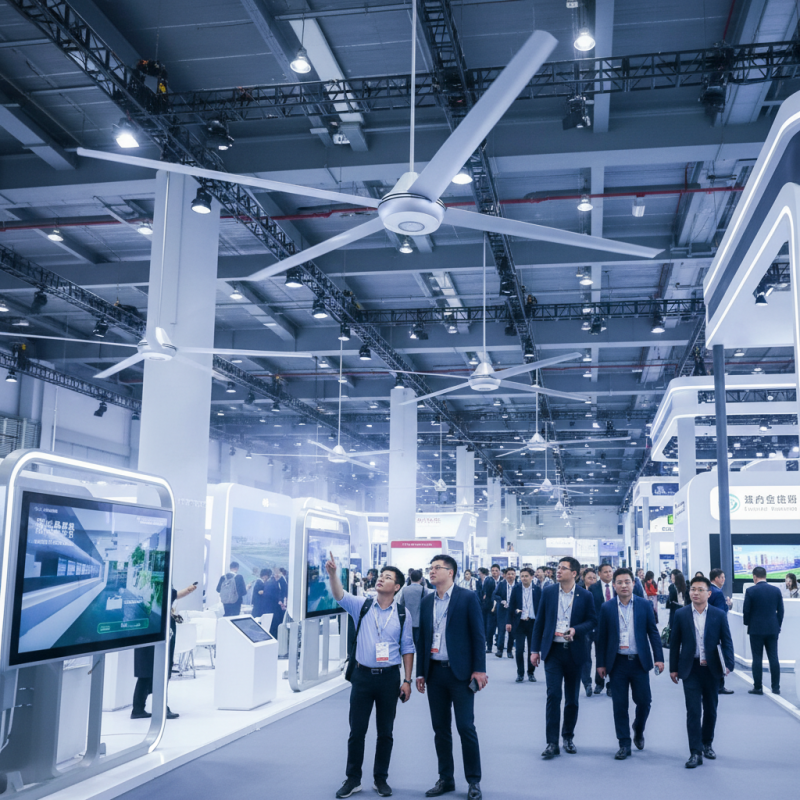
The 2026 Canton Fair, a major international trade event, is set to showcase innovative products. Among the highlights are the Big Hvls Fans. These fans are designed for large spaces, offering efficient cooling solutions. For those attending the fair, understanding how to choose the right Big Hvls Fan is crucial.
As you explore the fair, consider the importance of airflow efficiency and noise levels. Many visitors might overlook these aspects. The size and design must align with your specific requirements. Take time to evaluate various models and their features. A fan that fits perfectly can enhance comfort in your large spaces.
Navigating the vast exhibition area may be daunting. The newly integrated AI features can facilitate your search for suppliers of Big Hvls Fans. Still, it’s important to verify credentials like ISO and CE certifications yourself. Rushing through can lead to regrets later. So, engage actively with suppliers and assess all options before making your decision.
Understanding HVLS Fans and Their Benefits
HVLS fans, or High Volume Low Speed fans, provide efficient air circulation in large spaces. These fans are ideal for warehouses, gymnasiums, and industrial facilities. Their large blades operate slowly, moving significant volumes of air. According to industry reports, they can reduce energy costs by up to 30% when used in place of traditional fans.
When choosing HVLS fans, consider the size of your space. The larger the area, the bigger the fan needed. Some reports suggest using one fan for every 2,000 square feet for optimal airflow. Think about the height of your ceiling too. Fans work best when installed at a height of at least 10 feet.
Tips: Measure your space before purchasing. Ensure the fan's capacity matches your room size. Take note of energy efficiency ratings. This will help lower your overall operating costs over time. However, ensure you are aware of potential maintenance needs. Keeping fans clean is vital for maximum efficiency. A neglected fan can lead to decreased performance, which is a common oversight. Your choice should balance between great airflow and easy maintenance.
Key Features to Consider When Choosing HVLS Fans
Choosing the right HVLS fan is crucial for optimal air circulation in large spaces. When considering a HVLS fan, the fan's diameter is fundamental. Larger fans move more air, affecting comfort levels in a facility. Ideal diameters range from 8 to 24 feet.
Next, consider the airflow efficiency. Measured in cubic feet per minute (CFM), this indicates how much air the fan can circulate. Choosing a fan with high CFM will ensure effective cooling. Look for models that provide an airflow efficiency rating to compare different options.
Tips: Always check the noise level. A quiet fan adds comfort to your environment. Installation requirements matter too. Some fans may need professional installation, which adds to costs. Take into account maintenance needs as well.
Don't ignore the design aspect. Fans come in various styles. A fan's design can blend with your space. Reflect on how it impacts the look of your area. Lastly, think about energy consumption. Choose energy-efficient models to save on operational costs.
In summary, consider size, airflow, noise, design, and efficiency. Each detail plays a role in your decision. Your selected fan should meet both functional requirements and aesthetic preferences.
Key Features to Consider When Choosing HVLS Fans
Comparing Different HVLS Fan Models for Your Needs
When attending the 2026 Canton Fair, understanding how to choose the right HVLS fan model is crucial. Various designs and sizes are available, tailored for different environments. Factors like airflow capacity, noise levels, and energy efficiency must be considered. Larger spaces may benefit from high-capacity fans, while smaller areas might only need a compact model.
Tips: Assess your space before making a decision. Measure the height and width of the area. This will help determine the ideal fan diameter. Also, consider the fan's design. Some are more aesthetically pleasing than others, blending with your interior beautifully.
Another aspect to inspect is maintenance requirements. Some models might need regular servicing, while others offer hassle-free operation. Fans with sealed motors can withstand dust and moisture better. This consideration is vital for industrial settings.
Tips: Review customer feedback on durability. Learn from experiences shared by others. Consider both initial costs and long-term savings. Sometimes, cheaper options are not the best choices in the long run.
Big Hvls Fans Showcase at 2026 Canton Fair How to Choose? - Comparing Different HVLS Fan Models for Your Needs
| Model | Diameter (ft) | Airflow (Cubic Feet per Minute) | Energy Consumption (W) | Noise Level (dBA) | Suitable Application |
| Model A | 12 | 30,000 | 350 | 50 | Warehouses |
| Model B | 14 | 40,000 | 400 | 55 | Manufacturing Plants |
| Model C | 16 | 50,000 | 500 | 60 | Gymnasiums |
| Model D | 18 | 60,000 | 600 | 65 | Arenas |
Installation and Maintenance Tips for HVLS Fans
Choosing and maintaining HVLS fans is crucial for any industrial setting. Proper installation is key. Many installations fail due to insufficient planning. The fan must be positioned for optimal airflow. A report from the American Society of Heating, Refrigerating and Air-Conditioning Engineers shows that correct placement can enhance air distribution by up to 40%.
Regular maintenance is essential. Dust and debris can hinder a fan's efficiency. Monthly checks can help ensure optimal performance. For instance, a study revealed that facilities that conducted routine maintenance saw a 25% increase in energy efficiency. Not addressing wear and tear can lead to costly repairs later. Be aware that sometimes, parts may need specialized attention, which could complicate maintenance.
Environmental factors can affect performance too. Humidity and temperature variation impact airflow quality. Businesses must consider these elements when selecting fans. Often, facilities overlook how external conditions affect indoor climate. Choosing the right fan requires a thorough understanding of both installation and ongoing maintenance needs.
Future Trends in HVLS Fan Technology and Design
HVLS fans are evolving. The 2026 Canton Fair will highlight significant trends. Technology is advancing rapidly. Energy efficiency is becoming a key feature. Manufacturers are focusing on sustainable materials. This shift appeals to eco-conscious buyers. Fans are quieter now. They operate with less noise, creating a comfortable atmosphere.
Design is also changing in intriguing ways. Sleeker, more modern styles are being introduced. Integration with smart technology is on the rise. Remote control options will enhance user experience. However, some designs may not suit all environments. A fan that looks good might not perform well in every space.
Industry experts are debating the best applications. Airflow patterns need careful consideration. Bigger isn’t always better; size must match the setting. There’s a learning curve for users. Choosing the right fan involves both style and function. Balancing aesthetics and practicality is essential. Reflecting on these factors will lead to better choices.