What is Aluminum Window Profile and Why You Should Buy It?
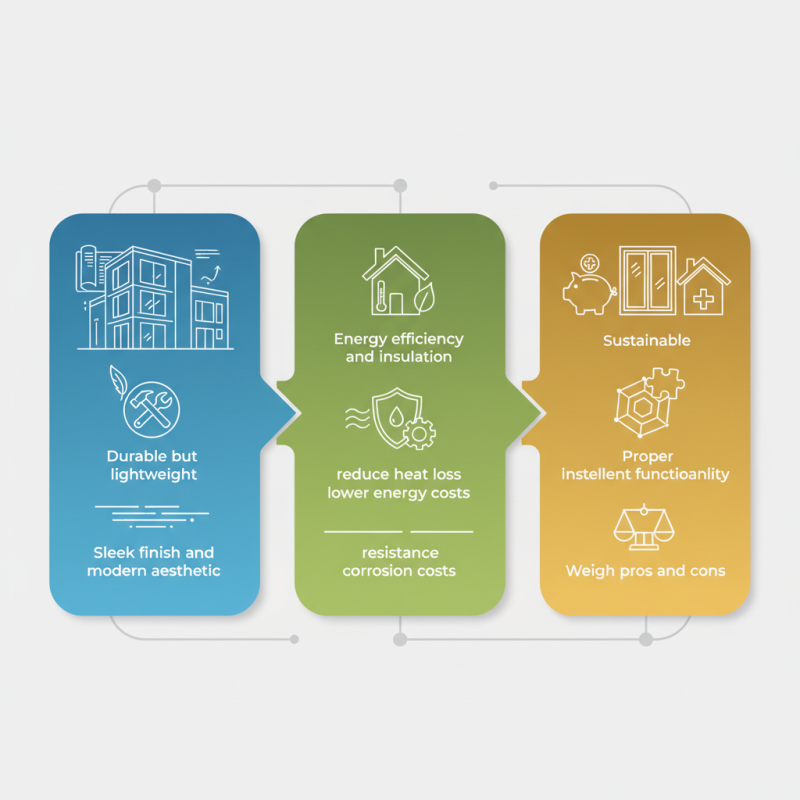
In the world of construction and design, the choice of materials is crucial. One option gaining popularity is the Aluminum Window Profile. This profile is not only durable but also lightweight, making it ideal for various architectural designs. The sleek finish and modern aesthetic appeal of aluminum can elevate the overall look of any building.
Many people overlook the importance of window profiles. However, they play a pivotal role in energy efficiency and insulation. An Aluminum Window Profile can significantly reduce heat loss, leading to lower energy costs. Furthermore, its resistance to corrosion ensures longevity, providing both beauty and practicality.
Investing in an Aluminum Window Profile can be a game-changer. With proper installation, they offer excellent functionality and aesthetic appeal. While there are various materials available, aluminum stands out due to its versatility. It's essential to weigh the pros and cons carefully to make an informed decision. This approach can lead to a more sustainable and visually pleasing environment in your living space.
What is an Aluminum Window Profile?
Aluminum window profiles are essential components in modern architecture. These profiles offer durability and aesthetic appeal. They're made from high-quality aluminum, which is lightweight and resistant to rust. According to the Aluminum Association, the global aluminum market is expected to grow significantly, reaching over $195 billion by 2025. This growth reflects the increasing demand for energy-efficient materials in construction.
One key advantage of Aluminum Profiles is their energy efficiency. Studies show that aluminum windows can reduce energy loss by up to 30%. This efficiency is crucial, as buildings account for a significant portion of energy consumption. However, the effectiveness of aluminum windows can vary based on quality and installation methods. Poor installation can lead to leaks and decreased performance, so precision is critical.
Moreover, the aesthetic versatility of aluminum profiles allows for custom designs. They can be painted or anodized to fit various architectural styles. While these options enhance visual appeal, they also introduce challenges. Not all finishes withstand environmental conditions equally well. Selecting the right finish requires careful consideration of local climate factors and maintenance needs. This makes informed decision-making vital in your project.
Aluminum Window Profile Usage Trends
Key Benefits of Using Aluminum Window Profiles
Aluminum window profiles are becoming increasingly popular in modern architecture. Their durability and aesthetic appeal make them an excellent choice for various applications. According to a report by Freedonia Group, aluminum window demand is expected to rise by 5.8% annually through 2024. This growth highlights the shifting preferences among homeowners and builders alike.
One key benefit of aluminum profiles is their energy efficiency. With the right thermal breaks, they can reduce heat transfer significantly. A study from the Department of Energy states that properly insulated aluminum windows can lower energy bills by up to 30%. This efficiency is particularly relevant in regions with extreme temperatures.
Tips: Consider installing double-glazed units for better insulation. Consult with a professional for optimal frame selections.
Aluminum also offers versatility in design. It can be painted or anodized, allowing for a variety of finishes. However, it’s essential to choose high-quality finishes to prevent wear over time. Some cheaper coatings may not last, leading to premature maintenance issues. Regular inspections can help identify any problems early.
Tips: Always check the warranty details on finishes. Investing in quality can save money later.
Industry Statistics: Aluminum Windows vs. Other Materials
Aluminum windows have become increasingly popular, outperforming other materials like wood and vinyl. According to recent industry statistics, aluminum windows account for about 25% of the market share in residential construction. This trend is largely due to their durability and energy efficiency. Aluminum windows are less susceptible to warping and provide excellent insulation against weather elements.
When considering aluminum versus its counterparts, it's essential to note the long-term cost savings. Reports indicate that homeowners can save up to 30% on energy bills with energy-efficient aluminum windows. This is a compelling reason to invest in aluminum. The initial cost may seem higher, but the longevity often outweighs the expense.
Tips: Look for windows that meet ENERGY STAR certification. This ensures optimal insulation. Additionally, consider the aesthetic appeal of aluminum frames; they come in various colors to match your home. However, be mindful of selecting a reliable contractor. Quality installation is vital for maximizing performance. Remember, sometimes lower-priced options can lead to higher costs later due to poor quality.
Factors Influencing the Cost of Aluminum Window Profiles
When considering aluminum window profiles, several factors can significantly influence their cost. The quality of materials plays a vital role. Higher-grade aluminum not only enhances durability but also increases the price. Thicker profiles usually offer better insulation, but they may come with a higher price tag. Additionally, the coating on the aluminum can affect costs. High-performance finishes, such as powder coating, provide better protection and longevity but are more expensive.
Another important aspect is design complexity. Custom profiles with intricate designs often require more labor and time, leading to increased costs. Standard shapes are usually more affordable. Moreover, market demand can fluctuate, impacting prices. When demand rises, so do costs, though this can vary regionally. Installation is another cost factor. Hiring skilled professionals may ensure better results, but it can also raise overall project expenses. Understanding these elements can help in making informed decisions when purchasing aluminum window profiles.
What is Aluminum Window Profile and Why You Should Buy It? - Factors Influencing the Cost of Aluminum Window Profiles
| Profile Type | Cost per Meter | Weight per Meter | Thermal Insulation Rating | Color Options |
| Standard Flat Profile | $25 | 1.8 kg | R-3.5 | White, Black, Bronze |
| Thermal Break Profile | $35 | 2.2 kg | R-5.0 | Grey, White, Custom Colors |
| Sliding Window Profile | $40 | 2.5 kg | R-4.0 | Black, Silver, Anodized |
| Casement Window Profile | $30 | 2.0 kg | R-3.0 | White, Almond, Custom |
How to Choose the Right Aluminum Window Profile for Your Needs
Choosing the right aluminum window profile is crucial for both aesthetics and functionality in any building project. First, consider the energy efficiency ratings. A recent industry report shows that high-performance aluminum windows can reduce heating costs by up to 40%. Look for profiles with thermal breaks to enhance insulation. This detail can significantly impact comfort and energy bills.
Size is another key factor. Measure the window openings carefully before making a decision. Profiles that are too large or small can lead to poor sealing and airflow issues. Think about the design as well; the right profile can complement the architecture of your home or building. Opt for custom designs when standard options don’t meet your needs.
**Tip:** Check for certifications such as ENERGY STAR ratings or performance testing results. This ensures the product meets the industry standards for efficiency and durability.
Also, pay attention to the finish and color options. A report from the Aluminum Association indicates that over 70% of homeowners choose painted finishes. These protect against corrosion and UV damage. Selecting durable finishes can save money in the long run, but be wary of less reliable coatings that may fade or chip over time.